
How to start a podcast from scratch
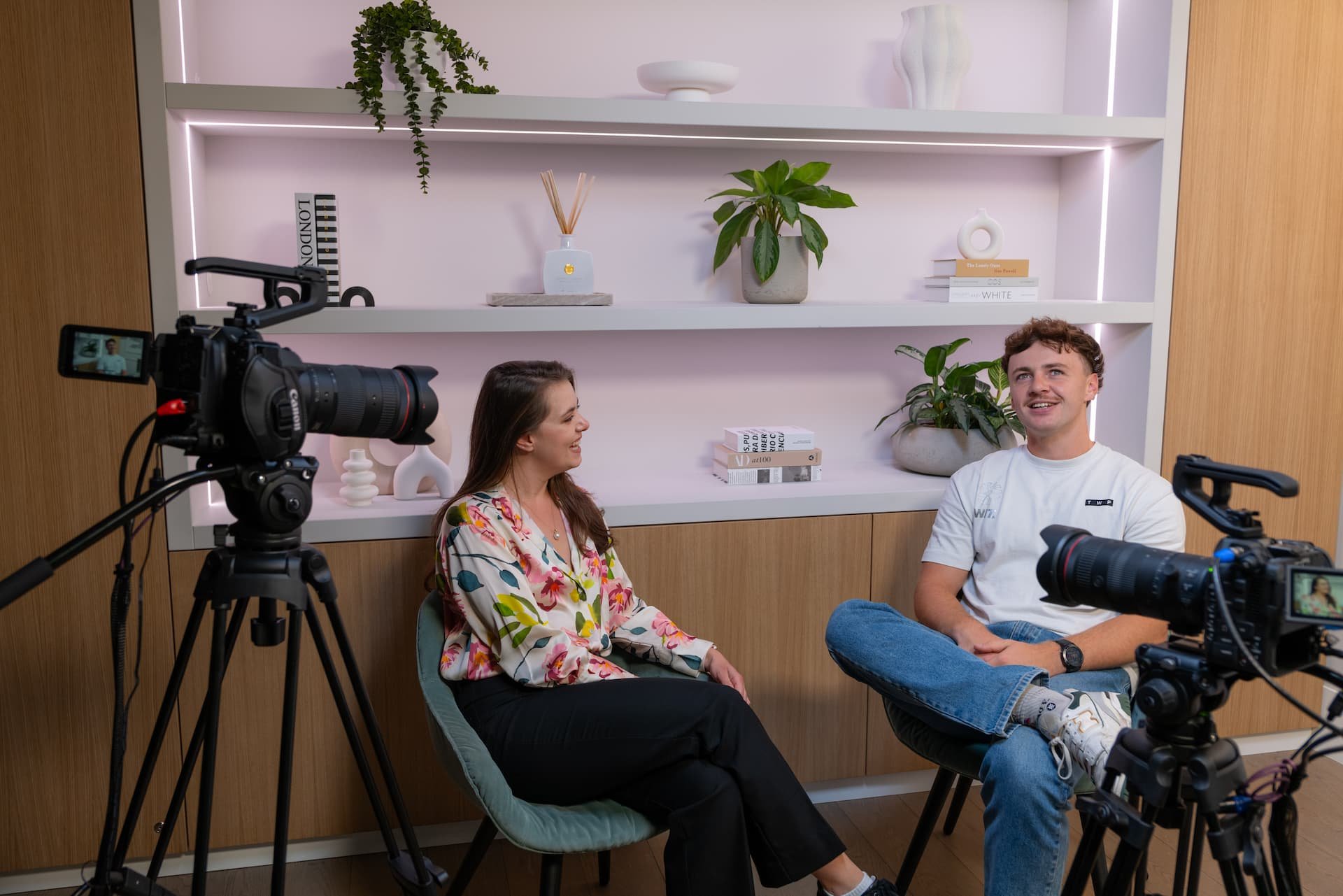
Starting a podcast can feel like a big step. You’ve got the idea, but you’re not sure what comes next, or whether you need expensive gear, technical skills or a full production team.
The good news? You don’t need to be an expert to begin. But you do need a plan.
Here’s a simple, practical guide to help you understand how to start a podcast, from the first idea through to recording and publishing your first episode.
Start with a clear reason (not just an idea)
Before you get into equipment or formats, take a step back. Why do you want to start a podcast?
Are you building a brand?
Sharing expertise?
Growing a business audience?
Creating content for marketing?
If you’re part of a business, your podcast needs to connect to wider business goals, whether that’s lead generation, brand awareness or thought leadership.
Podcasting takes time and we’d never recommend doing a podcast simply for the sake of doing one. Having a clear purpose keeps your content focused and consistent.
Plan your format and structure
This is where podcast planning tips really matter.
Think about:
Format – solo episodes, interviews, co-hosted conversations
Length – 20 minutes, 45 minutes, or longer
Frequency – weekly, fortnightly, monthly
Audience – who are you speaking to and why should they listen?
If you're unsure, start simple. Interview-style podcasts are often the easiest way to begin. You bring in guests and naturally create engaging conversations. You’re not relied on to be the expert in every episode, and the variety offered by a different guest each episode tends to be pretty successful.
You can also explore different podcast format ideas over time as your show develops.
Choose between audio or video
One of the biggest early decisions is whether your podcast is audio-only or filmed.
There’s no single right answer, but here’s a simple way to think about it:
Audio podcasts are easier to produce and distribute
Video podcasts can expand your reach on platforms like YouTube and social media
If you want a deeper comparison, see our guide on audio vs video podcasts.
Many creators now start with video, then repurpose clips for social (something Blueprint Studios London offers as a simple add-on when booking), which helps with growth from day one. After all, if you’re starting a new podcast, you want discoverability to be as strong as possible.
Decide where to record: home or studio?
You can record a podcast at home, and many people do. But it comes with trade-offs.
At home, you’ll need to manage:
Sound quality (background noise, echo)
Equipment setup
Recording software
Troubleshooting when things go wrong
A studio, on the other hand, gives you a much more controlled, professional setup.
If you’re weighing up your options, it’s worth reading our blog on home versus studio recording before deciding.
At Blueprint Studios London, every booking includes a technician, so you don’t need to worry about the technical side at all. You can just focus on the conversation.
Understand what it costs
Podcasting can be as simple or as advanced as you want it to be. That’s why at Blueprint Studios London we’ve built flexibility into every booking, with simple hourly rates including all our kit (with some extras available to add on).
At Blueprint Studios London, for example:
Audio-only recording: £90 per hour
Video podcast recording: £120 per hour
That’s for studio-quality production, without needing to buy your own equipment.
If you’re planning a series rather than a one-off episode, it’s worth thinking about long-term costs too:
Recording multiple episodes in batches (which saves money)
Editing and post-production
Distribution and marketing
At Blueprint Studios, we can edit your podcasts (video or audio) and set up your distribution platforms and publish each episode for you, which saves you a lot of time at the start when you’ll likely be wanting to spend time on planning upcoming episodes.
Don’t worry about technical expertise
This is a common concern: Do I need to know how everything works?
The short answer is no. You don’t need to be an audio engineer or video producer to start a podcast. But someone does need to manage:
Sound levels
Camera setup (if filming)
Recording quality
File formats
That’s where using a studio makes a difference. If you’re not familiar with tech, getting the relevant tech to use at home (which is still costly) can be overwhelming and realistically often not worth your time.
With a studio technician on hand, you can focus on your content, while everything behind the scenes is handled properly and professionally.
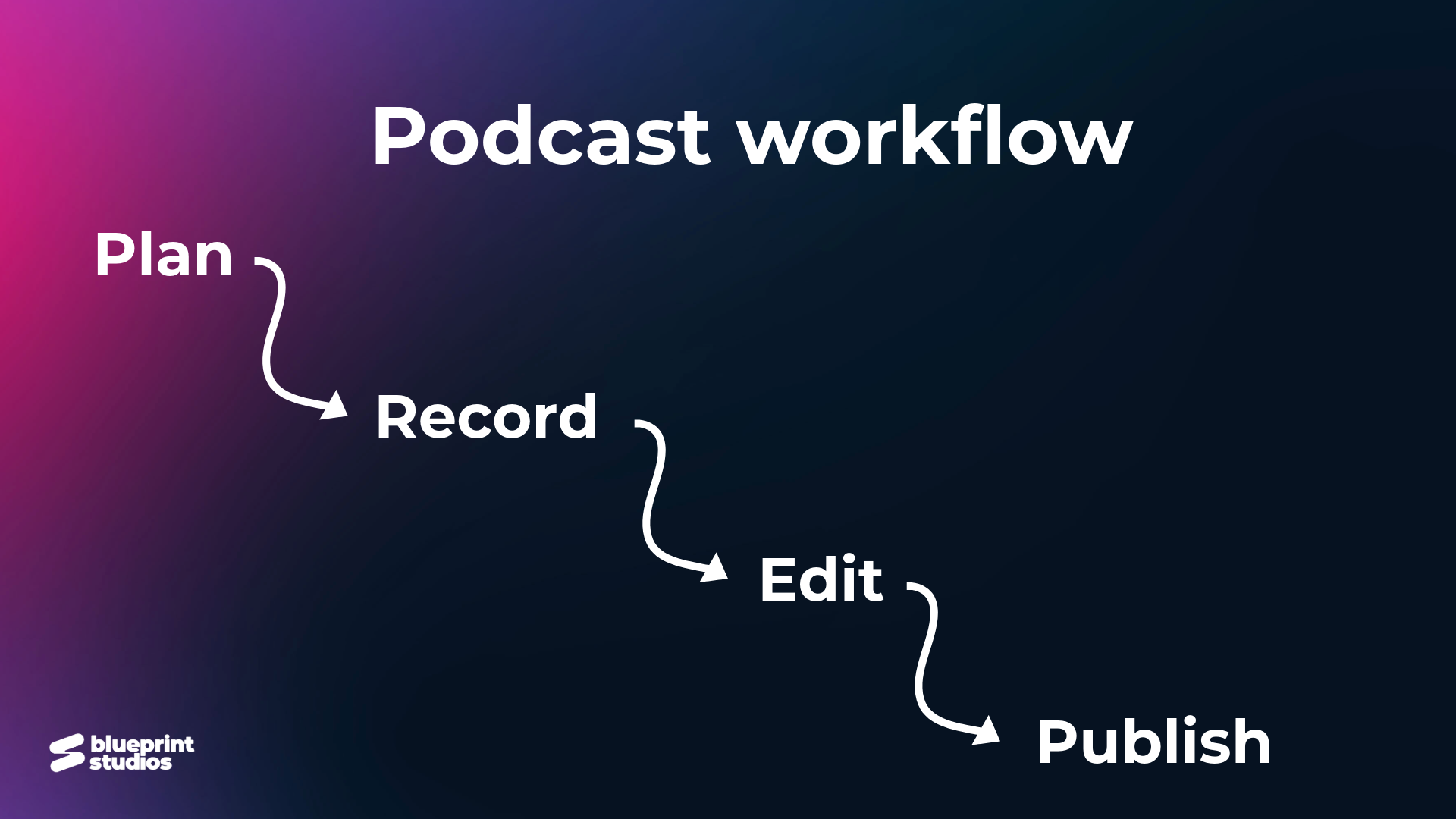
Plan your editing and post-production
Recording is just one part of the process. Without a plan for editing, you might as well not record in the first place.
After each episode, you’ll need:
Audio or video editing
Clean-up (removing mistakes, balancing levels)
Exporting files in the right formats
If you don’t have time or experience, post-production can quickly become a bottleneck. That’s why many podcasters choose to outsource it. At Blueprint Studios London, we offer post-production services so your episodes are polished and ready to publish.
Think about marketing and distribution early
Creating the podcast is only half the job. Getting people to listen is the other half.
Before you launch, plan:
Where your podcast will be published (Spotify, Apple Podcasts, YouTube)
How you’ll promote each episode
What content you’ll create alongside it (from social clips to podcast artwork)
Social clips are one of the most effective ways to grow an audience. In 2026, social is a key channel for podcast discovery. That’s why we offer social-ready clips as an add-on/
But it’s not just about social clips. It’s definitely worth building a full marketing approach around your podcast from the start, especially if it supports a business goal.
Quick checklist: how to start a podcast
Before you record your first episode, make sure you’ve covered:
A clear reason and goal for your podcast
A defined format and audience
A decision on audio vs video
A plan for where and how you’ll record
A realistic understanding of costs
Support for editing and production
A marketing and distribution plan
Tick these off, and you’re ready to go.
Ready to start your podcast?
Starting a podcast doesn’t need to be complicated, but having the right setup makes it much easier.
If you want a simple, professional way to get started, you can record at Blueprint Studios London with a friendly team on hand to guide you through every step.
Get in touch with our team to find out more about how we can help you start your podcast, or if you’re ready to book, secure your recording session now.