
Audio vs video podcast: which is better?
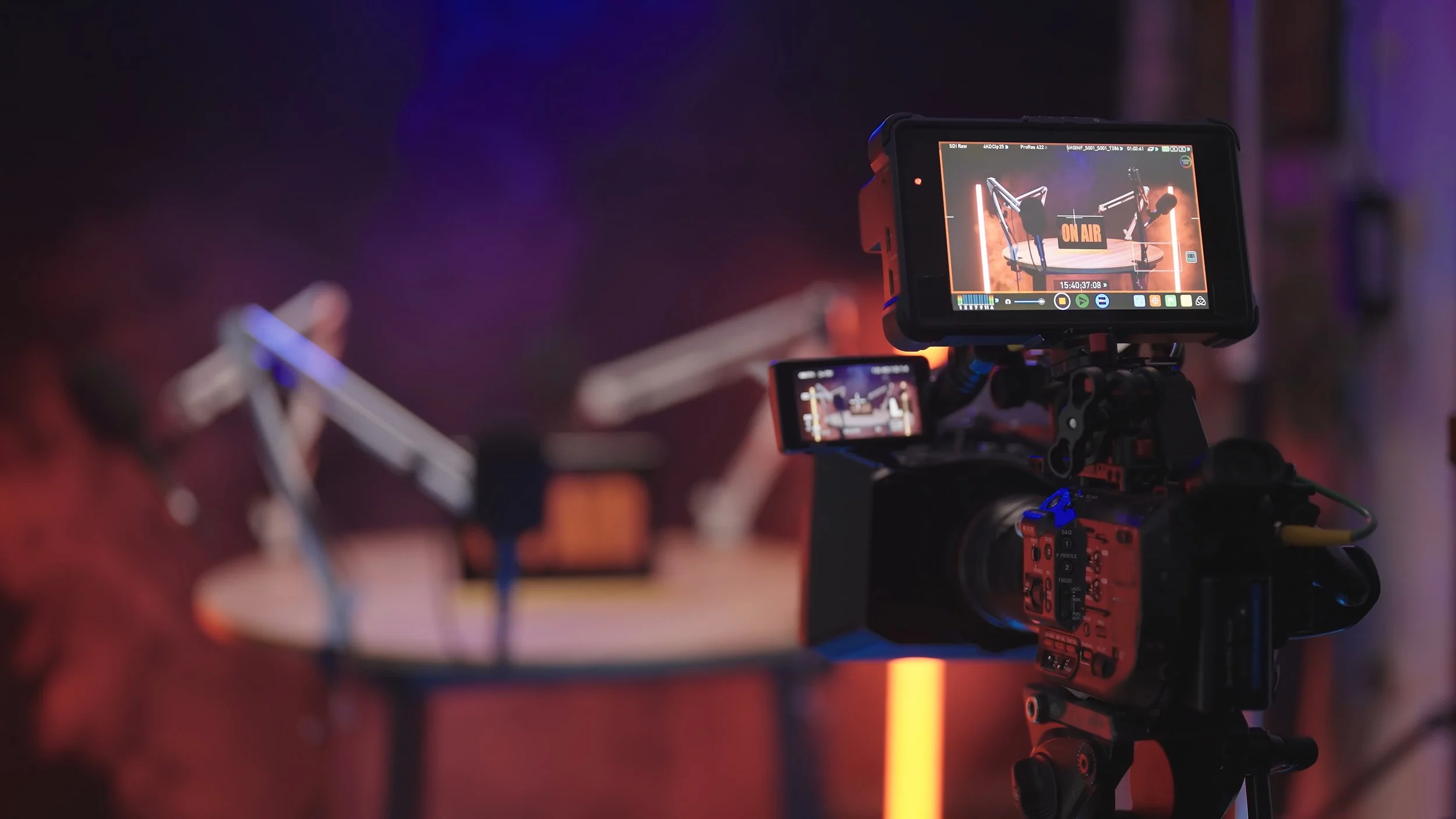
If you’re starting a new podcast, or thinking about evolving an existing one, one question comes up again and again: audio vs video podcast, which is better?
There’s no universal answer. The right format depends on your goals, your audience and how you plan to use the content once it’s recorded. At Blueprint Studios London, we work with creators and brands on both audio‑only and video podcasts every week, and the decision is rarely about trends alone.
This guide breaks down the real differences, so you can choose the format that actually works for you.
The core difference between audio and video podcasts
At a basic level:
Audio podcasts are designed to be listened to – often while commuting, exercising or working.
Video podcasts are designed to be watched as well as heard – whether that’s on YouTube, social feeds or embedded on websites.
Both formats can deliver strong results. The difference is how discoverable, flexible and visible that content becomes after recording.
Cost: how much more expensive is video?
One of the biggest concerns creators have is budget, and it’s a fair one.
At Blueprint Studios London:
Audio‑only podcast recording is £90 per hour + VAT
Video podcast recording is £120 per hour + VAT
So yes, video costs more, but the gap is often smaller than people expect. The real question is whether that additional cost unlocks more value for your content over time. For many creators and brands, the answer is yes.
Discoverability: where video really wins
If your goal is growth, this is where video podcast benefits become hard to ignore.
Audio podcasts are usually discovered through:
Podcast platforms
Recommendations
Existing audiences
Video podcasts, on the other hand, show up in far more places:
YouTube search
LinkedIn, Instagram and TikTok feeds
Email newsletters
Website embeds
People scrolling social rarely stop for a static audio link, but they do stop for short, subtitled video clips. This makes video podcasts far easier to discover organically, especially for newer shows.
Repurposing: getting more from one recording
One of the strongest arguments in the audio vs video podcast debate is what happens after you hit record.
With audio‑only:
You usually get one main episode
Repurposing is limited unless you add visuals later
With video:
You get a full episode and visual assets
Clips can be reused across multiple channels
Content works for both B2C and B2B platforms like LinkedIn
At Blueprint Studios London, one of our most popular add‑ons is 10 social clips from a single recording. Creators use these for social posts, email campaigns, sales outreach and thought leadership – all from one session.
Audience behaviour: how do people actually consume your content?
This is where format choice becomes strategic rather than technical.
Audio podcasts work especially well if:
Your audience listens while multitasking
Long‑form conversation is the priority
Visuals don’t add much context
Video podcasts work especially well if:
Your audience spends time on social platforms
Personality, presence or reaction matters
You want to build trust and recognition faster
Many successful shows now publish both, using video for discovery and audio for long‑form listening.
Should you switch an existing audio podcast to video?
This is a common question we get, and the answer depends on your goals.
Switching to video makes sense if:
You want to grow faster
You need more content for social or marketing
You’re already confident on mic and on camera
It may not be necessary if:
Your podcast is purely niche or internal
Your audience only listens via audio platforms
You don’t need visual assets elsewhere
The good news is that moving to video doesn’t mean abandoning audio. Most video podcasts still distribute the audio version as usual.
So… which is better?
In the audio vs video podcast conversation, “better” really means “better for your objectives”.
Audio is simpler, cheaper and still incredibly effective
Video offers stronger discoverability, more repurposing options and wider reach
Whichever route you choose, the most important thing is having a setup that supports your format properly, whether that’s clean audio, confident camera framing, or both.
Hit record with Blueprint Studios London
There’s no wrong choice between audio and video – only the wrong choice for your goals. Start with how you want people to find, consume and share your content, then work backwards to the format.
Whichever option is right for you, Blueprint Studios London can help, with experience across both audio‑only podcasts and fully produced video podcasts in a calm, supportive studio environment.
Explore our:
And we’ll help you choose – and record – the format that fits your content best. Book now or get in touch with our friendly team today.