
How to prepare for a podcast recording
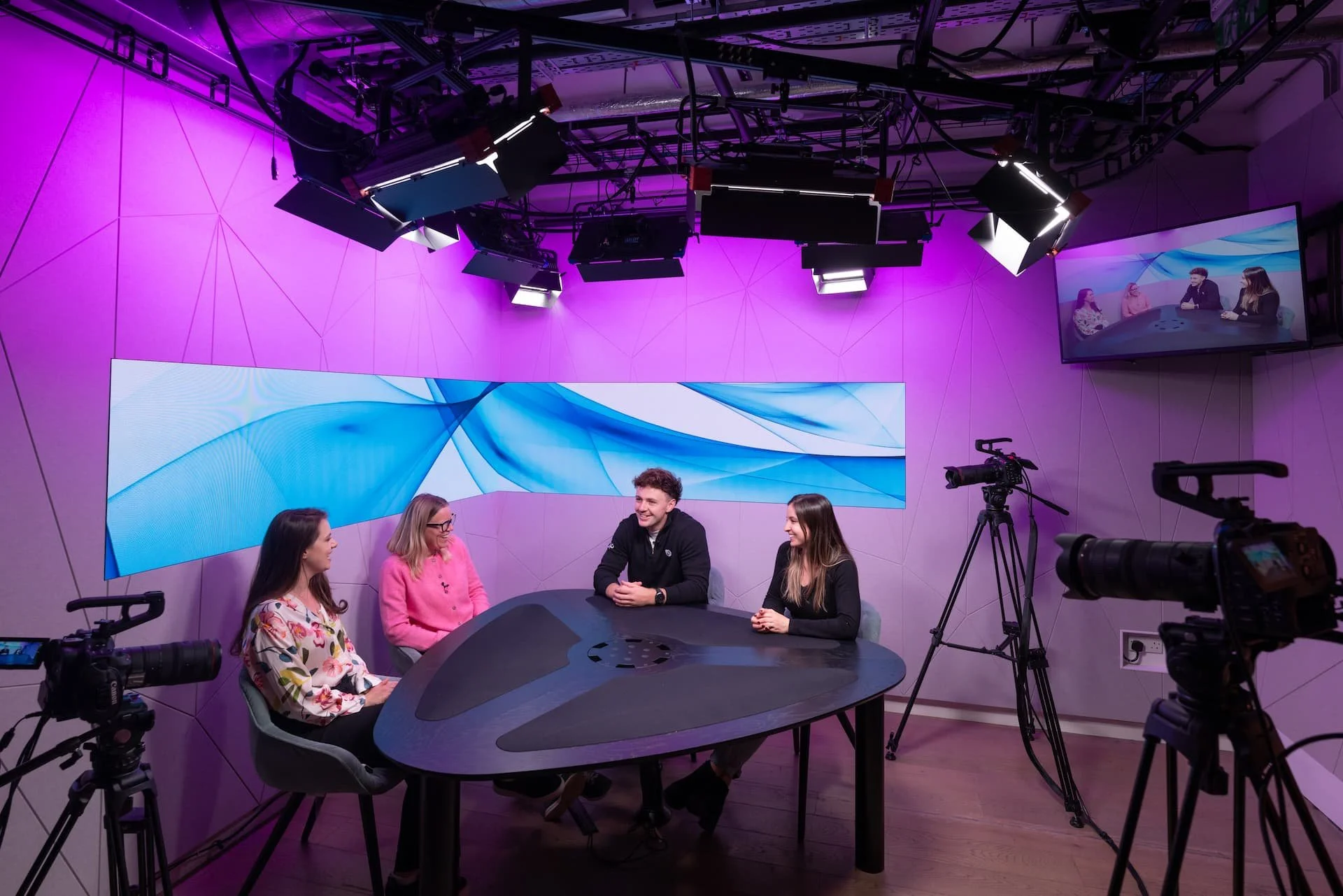
Recording a podcast is much easier when you prepare properly. A little planning before you (or we!) hit record can make the session smoother, shorter, more efficient and far more professional – particularly important if you have guests.
If you’re wondering how to prepare for a podcast recording, here’s a simple guide to help you feel confident walking into your first, or next, session.
1. Be clear on the purpose of the episode
Before anything technical happens, make sure you're clear on the goal of the recording, as well as anyone who might be featuring on the episode with you.
Ask:
What is this episode about?
Who is it for?
What should listeners take away from it?
Is there a clear outcome or next step?
You don’t need a script, but you do need direction. Without it, conversations drift, messaging lacks clarity and editing takes longer. A short outline with bullet points is usually enough to keep you on track.
2. Plan the structure
Even informal podcasts benefit from structure.
A simple format might include:
Introduction
Main discussion points
Guest Q&A
Wrap-up and summary
If you’re interviewing someone, send them a rough outline in advance. That way, they won’t be thinking on the spot. Instead, they can prepare, which will make your podcast more interesting and feel more professional.
3. Prepare your guest
If you’re recording with a guest, preparation matters even more. If someone turns up to a podcast recording without a clear idea of the topics being discussed and the structure of the recording, they'll be unprepared, and that will show in your recording.
Be sure to send them:
The topic and key themes
The approximate length
The tone of the episode
Any questions in advance
Previous recordings of the podcast
Guests who feel prepared sound more confident, and that always improves the final result.
4. Bring notes (but not a script)
It’s tempting to write everything out word-for-word, but that usually makes episodes sound stiff. We don't recommend coming completely unprepared, though – finding the balance between a natural conversation and coming prepared is crucial.
Make sure you come armed with:
Key talking points
Stats or examples
Names or references
Your call to action
This means you won't forget to include those pieces of information (there's nothing worse than finishing a recording and realising you forgot to bring in that key stat or that recent reference in the news), but you'll still provide your listeners or viewers with a natural flowing conversation that will keep them engaged.
5. Manage time realistically
People often underestimate how long recording takes. Video, for example, takes longer than an audio-only recording.
Allow time for:
Setup
Sound checks
Retakes
Breaks
Wrap-up
How long should you allow? Luckily we've got a blog that tells you exactly how long you'll need for different types of recordings.
6. Warm up before you start
This sounds small, but it helps.
Before recording:
Drink water
Avoid dairy or heavy meals
Do a quick vocal warm-up
Take a few deep breaths
The first five minutes often feel stiff. That’s normal, but warming up reduces that effect.
If you have a guest, sit them down and start chatting for a few minutes before the recording starts. This will get them familiar with the setup and ease them into the conversation. But remember to hit record before the really interesting conversation begins!
7. Think about the listener
During recording, remember who you’re speaking to. You might be the expert in a particular topic, but that doesn't mean your listener is.
Ask yourself:
Would this make sense to someone new?
Am I explaining clearly?
Is this interesting or just filler?
This will make sure your episode stays focused and valuable.
8. Keep it simple
The most important thing when you prepare for podcast recording is not overcomplicating it.
You don’t need a full script, perfect delivery or complex production. Instead, you need clear ideas, a basic structure and a calm, focused mindset. The rest can be handled in editing.
What if I'm recording a podcast at home?
If you're recording your podcast at home, there are a few additional elements you'll need to consider.
Think about your environment
When you're recording at home, your environment makes a big difference.
Some simple podcast recording tips for home setups:
Choose the quietest room available
Turn off fans, heating or noisy appliances
Record at a time with less background noise
Sit close to the microphone
Avoid large empty rooms that echo
If you’re recording in a studio, all of this is handled for you.
Check your equipment in advance
If you’re using your own equipment, test it before the session. This is especially important if you've got a guest on your podcast. The last thing you want is to have to call them and explain you're delayed because of your equipment.
Remember to check:
Microphone levels
Headphones
Internet connection (if recording remotely)
Recording software settings
Available storage space
Do a short test recording and listen back. Catching problems early saves re-recording later.
Preparing properly doesn't have to take much time
Preparing for your podcast recording doesn't take long, and will be far more efficient than sitting down and blissfully hoping everything goes to plan (we know from experience that people who turn up unprepared have a more challenging recording).
A little planning improves flow, reduces editing time and helps you sound more confident, which in turn makes for a better podcast. So whether you’re recording at home or in a studio, preparation is what separates average episodes from strong ones.
Get advice on preparing for your next recording with Blueprint Studios London
The team at Blueprint Studios London know what makes a good podcast, and what has to be done before (and after) to get the very best results. If you're interested in recording in our studio or working with our team, just get in touch.