
How producers plan efficient shoot days
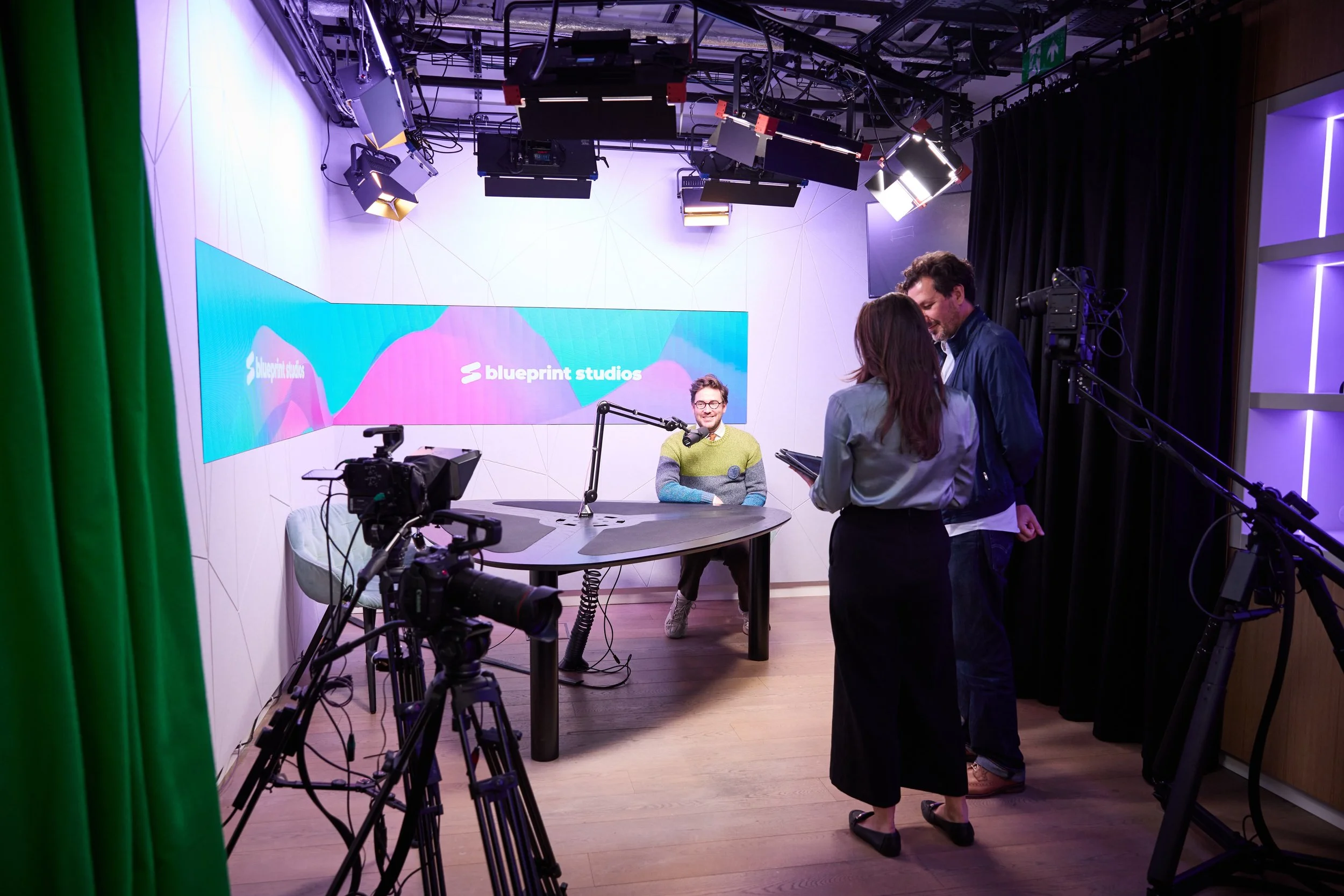
A shoot day only looks effortless when the planning behind it was solid. Ask any producer who has watched a schedule fall apart by 11am, and they will tell you a good shoot day is not down to luck. It is down to the work that happens before anyone picks up a camera.
Whether you are running a single-camera brand video or a full multi-camera production, the principles are the same: know what you need to capture, know how long each part will take, and build in enough flexibility to cope when something changes. Here is how experienced producers plan efficient shoot days, and how the right studio can make that job a lot easier.
What a shoot day actually involves
A shoot day covers everything that happens between camera up and wrap. That includes:
Setting up cameras, lighting and audio
Briefing talent, guests or presenters
Filming each scene or segment, often with retakes
Reviewing footage as you go
Breaking down and clearing the space
Each of these steps takes time, and they rarely go exactly to plan. Good production shoot planning is not about removing every surprise. It is about giving yourself enough of a buffer that surprises do not turn into a missed deadline.
Start with a proper pre-production plan
Every efficient shoot day starts long before the day itself. Three documents make the biggest difference:
A clear brief, so everyone on set understands the purpose of the shoot and what success looks like
A shot list or run-of-show, breaking the day into scenes, segments or set-ups
A schedule that allocates realistic time to each of those, including setup and breakdown
If you only have time to prepare one thing properly, make it the run-of-show. It becomes your reference point for the whole day, and it is the easiest way to spot problems before they happen. If your run-of-show has six interviews scheduled into a four-hour slot, you will see that gap on paper rather than discover it on the day.
Build a schedule with realistic time blocks
Filming schedule tips almost always come back to the same idea: block time in a way that reflects reality, not ambition. A few things worth building in:
Buffer time between segments for lighting or set changes
Extra time for anything involving external guests
A proper break for crew, not just talent
Time at the start for technical checks, and time at the end to back up footage
It is tempting to schedule shoots back to back to make the most of studio time. In practice, a tightly packed day with no room to breathe is exactly what causes overruns.
Sort crew, kit and location logistics early
A lot of shoot day stress has nothing to do with filming itself. It comes from crew arriving at different times, kit that has not been checked, or a location that turns out to be smaller, noisier or harder to access than expected. That is part of why we design our studios with producers in mind, so the space works with your schedule rather than against it.
Confirm call times, parking and access for everyone in advance. Test your kit the day before wherever possible, not the morning of. And if you are filming in a studio rather than an on-location space, check what is already set up for you.
Common pitfalls that cause overruns
Even well-planned shoots run into trouble. The most common causes are:
Underestimating setup and changeover time between scenes
Scripts or talking points that are not finalised before the day
Too many stakeholders reviewing footage on set, slowing decisions
No one person owning the schedule once filming starts
That last point matters more than it sounds. On a busy shoot, someone needs to be watching the clock and empowered to make calls, whether that means cutting a segment short or reordering the day. Usually, that is the producer.
A pre-shoot-day checklist
Before you arrive on set, it helps to run through a short checklist:
Run-of-show finalised and shared with everyone involved
Call times and locations confirmed with crew and talent
Kit tested and packed, with backups for anything critical
Scripts, talking points or interview questions signed off
Studio or location booking confirmed, including any technical requirements
A backup plan for anything outside your control, such as a guest cancelling
Ticking through this the day before takes 20 minutes and saves hours on the day.
How the right studio setup helps you plan a smoother shoot day
Good production shoot planning depends partly on what you are planning around. Our video studio is built with multi-camera setups, a technical gallery and a teleprompter already in place, so producers spend less time solving technical problems and more time on the content itself.
If you are weighing up how many segments you can realistically fit into a single booking, it is worth reading our related post on how much studio time you need, which looks at pacing a session so you are not rushing the final few set-ups.
Plan your next shoot day with Blueprint Studios
If you are planning an upcoming production, our expert team can help you get the most out of your studio time. Get in touch today to talk through your next shoot day.